
Energy crashes often trace back to irregular eating patterns rather than a lack of willpower. Spacing meals thoughtfully, including diverse micronutrients, and choosing calming herbal teas in the evening can keep your energy curve smooth from breakfast through dinner.

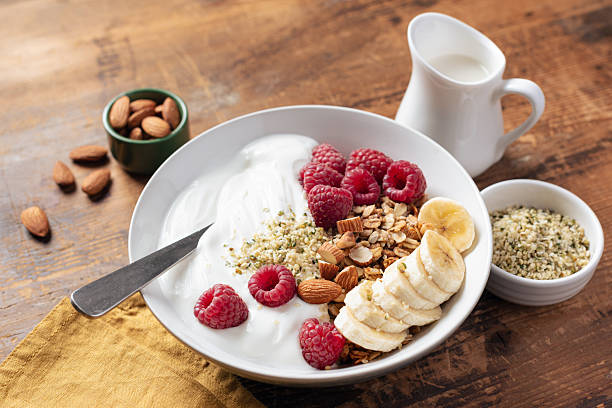
Skipping meals or eating at unpredictable intervals may lead to energy dips that some people notice as afternoon fatigue or evening cravings. The Ministry of Health in New Zealand recommends eating at least three structured meals daily, with optional balanced snacks if your activity level demands it.
A practical schedule might look like breakfast at 7:30 a.m., lunch at 12:30 p.m., and dinner at 6:30 p.m. — but the exact times matter less than consistency. Your body adapts to predictable fuel delivery, which supports stable insulin response and sustained concentration during work or study.
You do not need a cabinet full of supplements. Whole foods provide most of what your body uses for everyday function.
Found in leafy greens, nuts, seeds, and whole grains. Supports muscle relaxation and normal nerve function. A handful of almonds or pumpkin seeds at lunch covers a meaningful portion of daily needs.
New Zealand's latitude means winter sun exposure may be insufficient for adequate synthesis. Fatty fish, fortified dairy, and eggs contribute dietary vitamin D alongside safe sun exposure during warmer months.
Particularly relevant for plant-based eaters. Legumes, fortified cereals, and nutritional yeast offer iron; B12 is primarily found in animal products or fortified alternatives. Pair iron-rich foods with vitamin C sources for better uptake.
A simple plate method: fill half your plate with vegetables, one quarter with protein, and one quarter with complex carbohydrates. This framework works for lunch and dinner without calorie counting.
Herbal infusions are caffeine-free beverages made from dried plants, flowers, or roots. They offer flavour variety and a ritualistic pause without the stimulating effects of coffee. Different cultures have used plant-based drinks for centuries as part of daily comfort routines.
Chamomile — Mild, floral, traditionally enjoyed in the evening as a caffeine-free drink. Some people find it a pleasant part of a wind-down routine.
Peppermint — Refreshing and digestive-friendly. A cup after lunch can serve as a natural palate cleanser and hydration boost.
Rooibos — Naturally sweet, native to South Africa but widely available in New Zealand supermarkets. Rich in antioxidants and suitable for all-day drinking.
Ginger — Warming and slightly spicy. Fresh ginger slices steeped in hot water make a simple homemade infusion that pairs well with cooler mornings.
Nutrition-focused community events in the Christchurch area.
| Date | Event | Location |
|---|---|---|
| 22 June 2026 | Herbal Tea Tasting & Nutrition Talk | Merivale Community Centre |
| 8 July 2026 | Seasonal Eating Workshop — Winter Produce | Christchurch Farmers Market |
| 25 July 2026 | Meal Prep Sunday — Group Cooking Session | Unit 13/21 Bealey Avenue, Merivale |
Three main meals suit most adults with moderate activity levels. If you exercise intensely or have a fast metabolism, a mid-morning or afternoon snack with protein and fibre prevents energy dips. Listen to genuine hunger cues rather than eating by the clock alone.
Herbal tea contributes to hydration, but plain water should remain your primary fluid source. Aim for at least six to eight glasses of water daily, using herbal tea as a flavourful supplement rather than a full replacement.
A varied whole-food diet covers most micronutrient needs for healthy adults. Supplements may be appropriate in specific situations — such as vitamin D in winter — but should be discussed with a qualified nutrition professional before starting.