
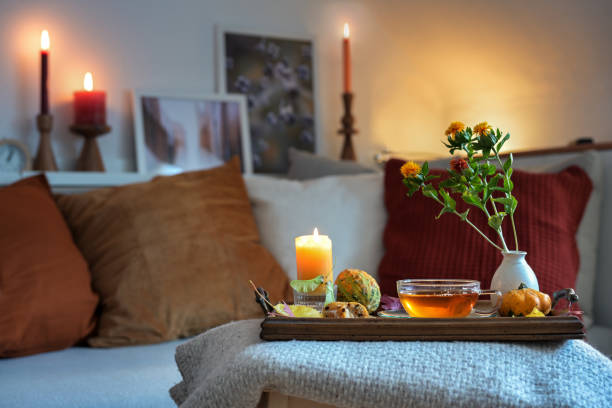
How you spend the final hour before bed influences how quickly you fall asleep and how rested you feel upon waking. A deliberate wind-down routine signals your nervous system that the active part of the day is over — replacing the stimulating glow of screens with quieter, slower activities.
Many people find that reducing bright screen light in the evening helps them wind down. Your body naturally produces melatonin in response to lower light levels. Sleep researchers often suggest limiting screen exposure before bed as a general lifestyle tip — not a guaranteed solution for everyone.
The National Sleep Foundation suggests keeping a consistent bedtime within a 30-minute window, even on weekends. This regularity strengthens your circadian rhythm, making it easier to fall asleep and wake naturally without an alarm over time.
Adjust timing to fit your schedule. The sequence matters more than the clock.
Use blackout curtains or a sleep mask if streetlights enter your room. Even small amounts of light can fragment sleep architecture during the early morning hours when REM cycles are longest.
White noise machines or earplugs help in urban areas. If complete silence feels unsettling, low-volume nature sounds or a fan provide consistent auditory masking without lyrical distraction.
Invest in breathable bedding suitable for New Zealand seasons — cotton for summer, flannel for winter. A supportive pillow aligned with your sleeping position reduces neck stiffness upon waking.
Limit caffeine after 2 p.m. Caffeine has a half-life of five to six hours, meaning an afternoon coffee can still affect sleep onset at 10 p.m.
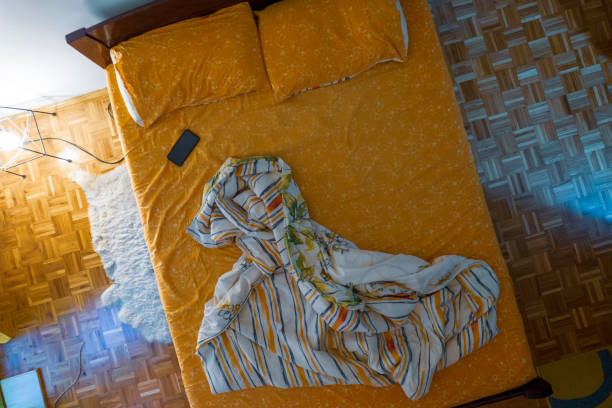
If you use your phone as an alarm, place it across the room so you must stand to turn it off — this reduces the temptation to scroll in bed.
Choose fiction or light non-fiction for pre-bed reading. Emotionally intense or work-related material can activate your mind when you need it to settle.
If you cannot fall asleep within twenty minutes, get up and do a quiet activity in dim light rather than lying awake frustrated. Return to bed when drowsy.
Begin 45 to 60 minutes before your target sleep time. If you aim to sleep at 10:30 p.m., start your wind-down around 9:30 p.m. Consistency in this start time is as important as consistency in bedtime itself.
Passive viewing of familiar, low-stimulation content is less disruptive than scrolling social media, but screens still emit blue light. If you watch TV, use the dimmest setting, keep it brief, and switch to non-screen activities for the final twenty minutes.
Chamomile and valerian root are popular evening choices. Peppermint and ginger are better suited to daytime because of their invigorating qualities. Avoid teas with added caffeine or high sugar content in the evening.